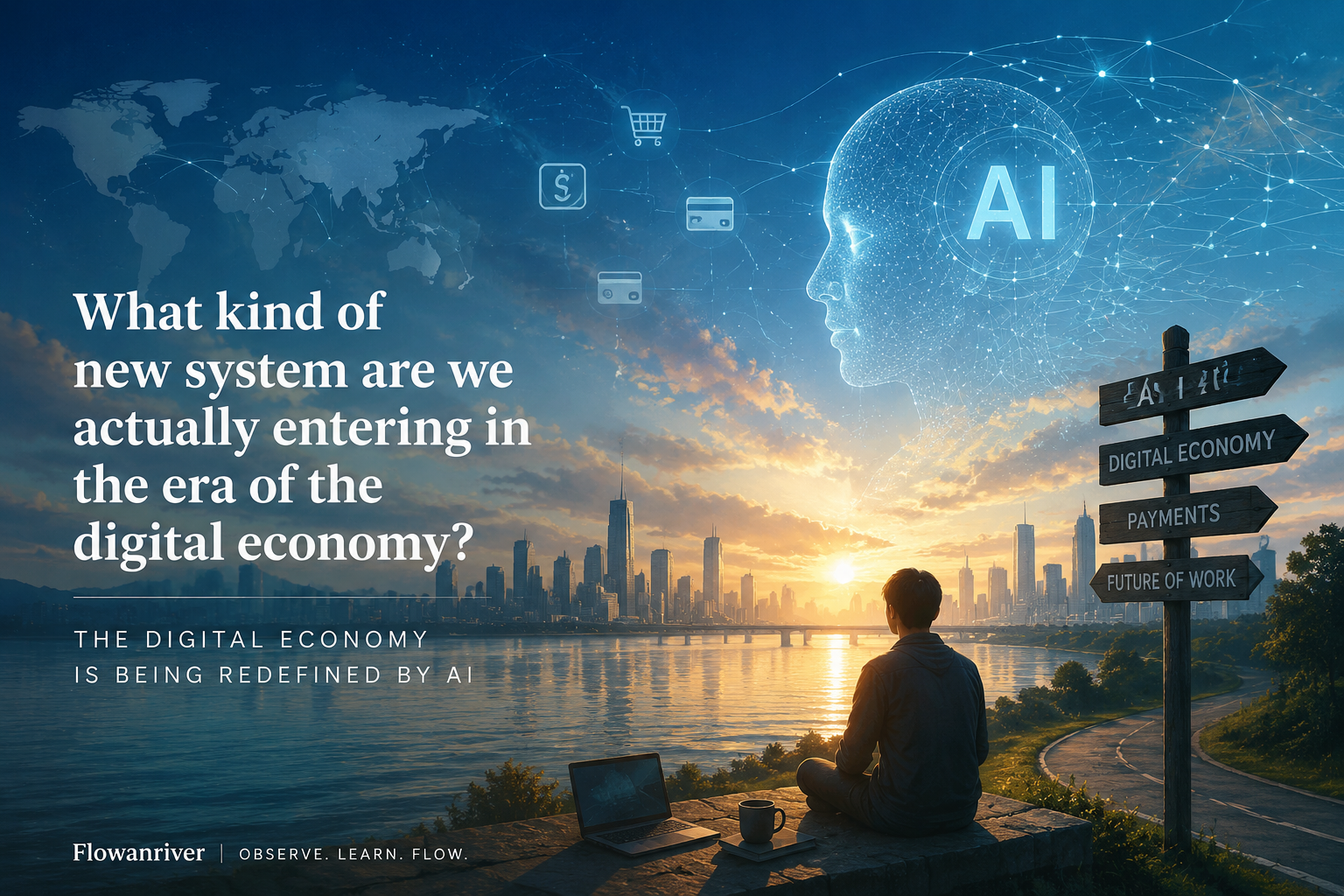
A calm evening scene of a person looking at a city skyline by the river, representing personal reflection on how AI and digital economy are reshaping work and life.

What kind of new system are we actually entering in the era of the digital economy?

The digital economy is being redefined by AI Recently, while following discussions around the Digital Economy conference in Beijing, I had a very strong impression that although the theme is still labeled as “digital economy,” the real focus has quietly shifted toward artificial intelligence. From what I have seen across different public information, whether it is industrial direction, enterprise digital transformation, or talent development systems, AI is being mentioned more and more frequently. The term “digital economy” still exists, but it no longer feels like a simple extension of the internet era. Instead, it feels more like a broader framework that is now carrying AI, data systems, and industrial restructuring together. ...

A quiet desk with a notebook and coffee, reflecting on retirement, crypto, and what the future holds for our generation.

When Pension Funds Start Looking at Crypto, I Find Myself Thinking About Something Else

A few days ago, while going through crypto news, I came across a story about a Japanese corporate pension fund considering allocating around 1% of its assets to cryptocurrencies. At first, I thought it would be another article about Bitcoin adoption. But the more I thought about it, the more I realized that wasn’t what interested me. The question that stayed with me was much simpler: What will retirement look like for our generation? ...

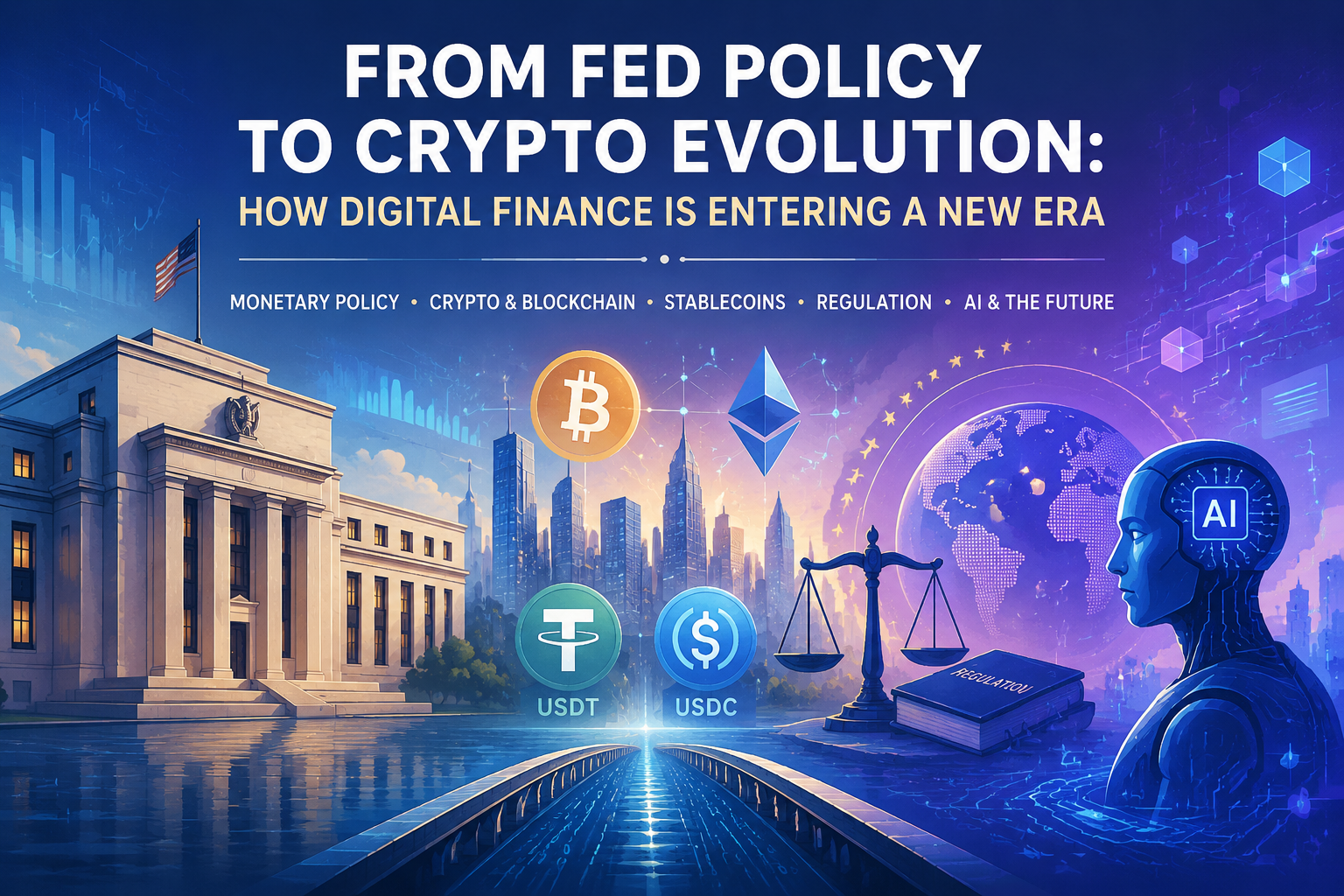
A visual representation of stablecoin regulation across the US, Hong Kong, and Singapore — USDT, USDC, and the GENIUS Act explained for beginners.

From USDT and USDC to the GENIUS Act: Why I Started Paying Attention to Stablecoin Regulation

After spending time learning about USDT and USDC, I thought I had finally figured out the stablecoin story. One is used almost everywhere. The other is often associated with transparency and compliance. That seemed to be the main difference. But it turned out I was only looking at the surface. As I started following more crypto news and industry discussions, I noticed that people were talking less about USDT and USDC themselves and more about something else: regulation. ...

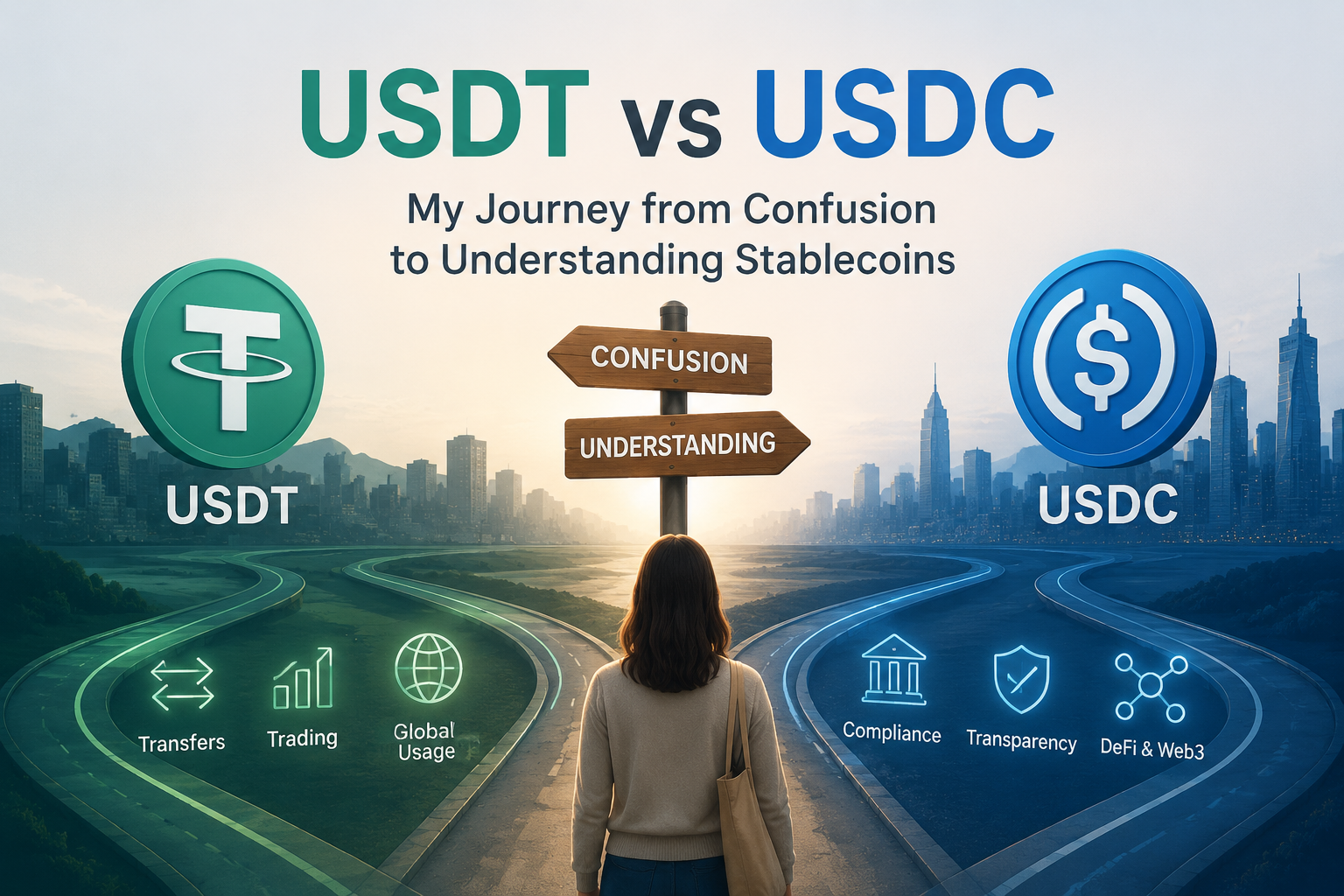
A visual comparison of USDT and USDC stablecoins — understanding the difference between Tether and Circle's digital dollars.

From Thinking All Stablecoins Were the Same to Understanding USDT and USDC

A few months ago, if someone had asked me what the difference was between USDT and USDC, my answer probably would have been: “Aren’t they both stablecoins? What’s the difference?” I think that’s how many beginners see them. Both are designed to stay close to one US dollar. Both can be used for transfers, trading, and storing value. When you first open an exchange account, they look almost identical. But as I spent more time learning about crypto, I slowly realized that people choose USDT and USDC for very different reasons. ...

A desk with a laptop showing a global crypto network, a notebook with handwritten notes about Bitcoin and transfer fees, and a LaceMoods branded mug — the moment a lingerie brand founder started paying attention to crypto.

Why a Lingerie Brand Founder Started Paying Attention to Crypto

I first heard about Bitcoin in 2015, when a friend told me he was mining it. Out of curiosity, I spent some time reading about it, but that was as far as it went. I didn’t buy any, I didn’t follow the market, and I certainly didn’t imagine it would ever become relevant to my life. The first time Bitcoin really caught my attention was in 2021, when it climbed to around $70,000 for the first time. Suddenly, crypto seemed to be everywhere. News outlets were covering it, social media was talking about it, and everyone appeared to have an opinion. ...

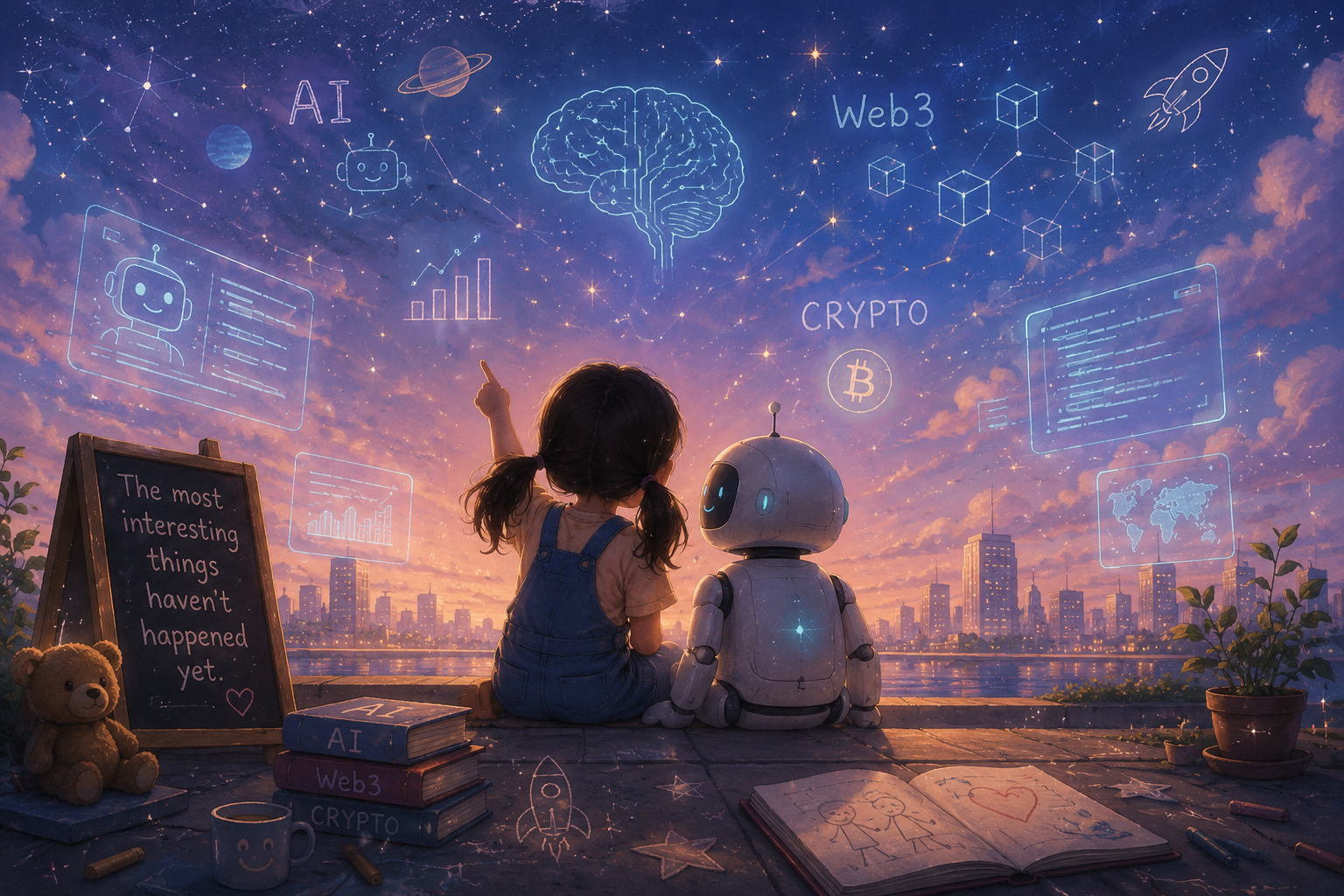
Childlike illustration of a girl and a robot looking at a futuristic sky filled with AI, Web3, and crypto symbols, representing curiosity, learning, innovation, and the future of technology on Children's Day.

Happy Children's Day — To AI, Crypto, and Everyone Still Learning to Walk

Today is June 1st. Children’s Day. It feels like the right day to talk about things that are young. Not young like a startup. Young like a child — full of potential, not yet sure what they’ll become, occasionally embarrassing, occasionally breathtaking. The children in Miami Just a few weeks ago, 20,000+ people gathered in Miami for Consensus 2026 — founders, executives, policymakers, all there to watch crypto, AI, and traditional finance collide in real time. The theme wasn’t just blockchain anymore. AI agents are becoming participants in global markets — executing trades, managing portfolios, creating entirely new economic models. The conference had a name for it: Agentic Commerce. ...

Trump's New Executive Order Is Bigger Than Crypto — It's About the Future of Finance

A few days ago, on May 19, Trump signed an executive order called “Integrating Financial Technology Innovation into Regulatory Frameworks.” After the news came out, the crypto space got excited again. Most people immediately saw it as another bullish signal for crypto. But honestly, I think the bigger story is not about token prices. What feels more important to me is that the U.S. seems to be seriously thinking about what the next financial system could look like — and how crypto might fit into it. Because this is no longer just a “crypto industry” conversation. It’s becoming a conversation about global payments, stablecoins, digital infrastructure, and even how the U.S. wants to maintain the dollar’s influence in a future where finance is becoming increasingly digital. ...

特朗普签的行政令,比你想象的影响大得多

前几天(5月19日),特朗普签署了一项关于金融科技的重要行政令《Integrating Financial Technology Innovation into Regulatory Frameworks》。 根据白宫随后发布的 Fact Sheet,这项政策的核心方向之一,是研究如何让 fintech 和 crypto 公司更容易接入美国支付系统,同时继续强化风险管理与监管框架。 很多人看到新闻后的第一反应,是觉得这是一次新的“crypto 利好”。 但在我看来,这件事真正值得关注的,可能并不只是市场情绪或者币价波动,而是美国正在重新思考未来金融体系和数字支付网络的主导权。 更准确地说,这已经不只是 crypto 圈子的事情了。它背后涉及的,是美元体系、稳定币、全球支付网络,以及未来金融基础设施的话语权。 过去几年,“去美元化”一直是全球金融市场绕不开的话题。越来越多国家开始推进自己的 CBDC(央行数字货币),也在尝试减少对美元支付体系的依赖。而美国其实也非常清楚,如果未来数字支付、链上金融和全球结算逐渐成为主流,那么美元是否还能继续维持全球支付主导地位,关键已经不只是传统银行,而是谁能掌握下一代支付网络。 从这个角度看,我认为特朗普这次的行政令,某种程度上也是美国对未来金融体系的一次提前布局。尤其是稳定币。因为相比很多国家的 CBDC,美国更可能希望通过由美元支持的稳定币体系,继续扩大美元在全球支付中的影响力。 Crypto 早就不只是“炒币”很多人对 crypto 的印象,依然停留在交易所、暴涨暴跌和投机。但现实其实已经慢慢发生变化。 现在你打开 Shopify 后台,比特币支付选项已经存在;X(Twitter)也开始尝试更多和 crypto 相关的功能;Bybit 推出了自己的 Bybit Card;越来越多平台开始把稳定币支付嵌入自己的生态系统。这些变化看起来很分散,但背后的方向其实非常一致: crypto 正在从“投资品”,慢慢变成一种基础设施。 以前大家讨论的是“买什么币”,而现在越来越多人开始讨论:“怎么真正把 crypto 用起来。”尤其是支付、会员订阅、跨境转账和数字身份这些场景,已经开始逐渐落地。 这次行政令到底在做什么? 这次行政令里,一个非常关键的点,是要求美联储在 120 天内评估:是否应该让 fintech 和 crypto 公司更容易接入美国支付系统以及 master accounts。 这件事的重要性,其实远比很多人想象得更大。 因为过去很多 crypto 公司最大的困难,并不是技术,而是银行渠道。很多项目甚至连正常银行账户都很难开,更不用说真正进入美国支付体系。 而现在,美国开始主动研究“如何开门”。这其实已经是在释放一个非常明确的信号: 美国正在认真考虑,如何让 crypto 和金融科技公司逐步进入主流金融体系,而不再只是把它们当成边缘行业。但与此同时,行政令另一边也反复强调了风险管理、反洗钱以及监管要求。 我反而觉得,这种“一松一紧”的态度,才说明政策开始真正进入现实阶段。因为任何想进入主流金融体系的东西,都不可能只有自由,而没有监管。 共存,而不是替代 很多人一直在讨论:crypto 会不会取代银行? 但我的答案一直是:不会,而且也不需要。我更认同的一种方向是:crypto 和传统金融会长期共存,并互相补充。最现实的例子,其实就是跨境支付。现在国际汇款很多依然依赖 SWIFT 系统,手续费高、到账慢,而且中间流程复杂。尤其对于真正做跨境业务的人来说,这种感受会非常明显。而稳定币支付最大的优势,并不是“颠覆银行”,而是解决效率问题。很多时候,稳定币转账几分钟就能到账,手续费甚至低到几乎可以忽略。这对于全球支付、国际贸易和数字服务来说,其实已经是非常现实的需求。 所以我觉得,特朗普这次行政令真正想推动的,并不是让 crypto 替代银行,而是让它逐渐和传统金融接轨,变成金融体系的一部分。Miami 大会已经透露出更大的趋势 最近我一直在关注 Miami Web3 大会的一些讨论。一个很明显的感受是:现在已经很少有人单独聊 crypto 了。更多人在谈的,其实是 AI + Web3。 ...

AI and Web3 Are Merging

AI and Web3 Are Merging — What I Learned Watching Miami Consensus 2026

Over the past few days, we spent quite a bit of time watching livestreams and panels from the Miami Web3 conference. Before that, I honestly thought most of the conversations would still be around crypto, tokens, or blockchain infrastructure. But after listening to different founders, investors, and builders, one thing became pretty obvious: AI has become impossible to ignore in the Web3 world. A lot of speakers kept mentioning the same topics over and over again — AI agents, decentralized AI, data ownership, digital identity, automated systems, and how AI might completely change the way online businesses work. ...