Illustration showing the evolution of digital finance from Federal Reserve policy and crypto markets to stablecoins, regulation, and AI-powered blockchain technology

From Fed Policy to Crypto Evolution: How Digital Finance Is Entering a New Era

Over the past few years, the crypto industry has undergone a significant transformation. In its early stages, crypto markets were largely driven by Bitcoin’s price movements and investment demand. Many users entered the market primarily because they saw digital assets as a new form of investment opportunity. However, as blockchain technology has continued to develop, the focus of the industry has gradually shifted from individual asset prices toward broader digital asset ecosystems. ...

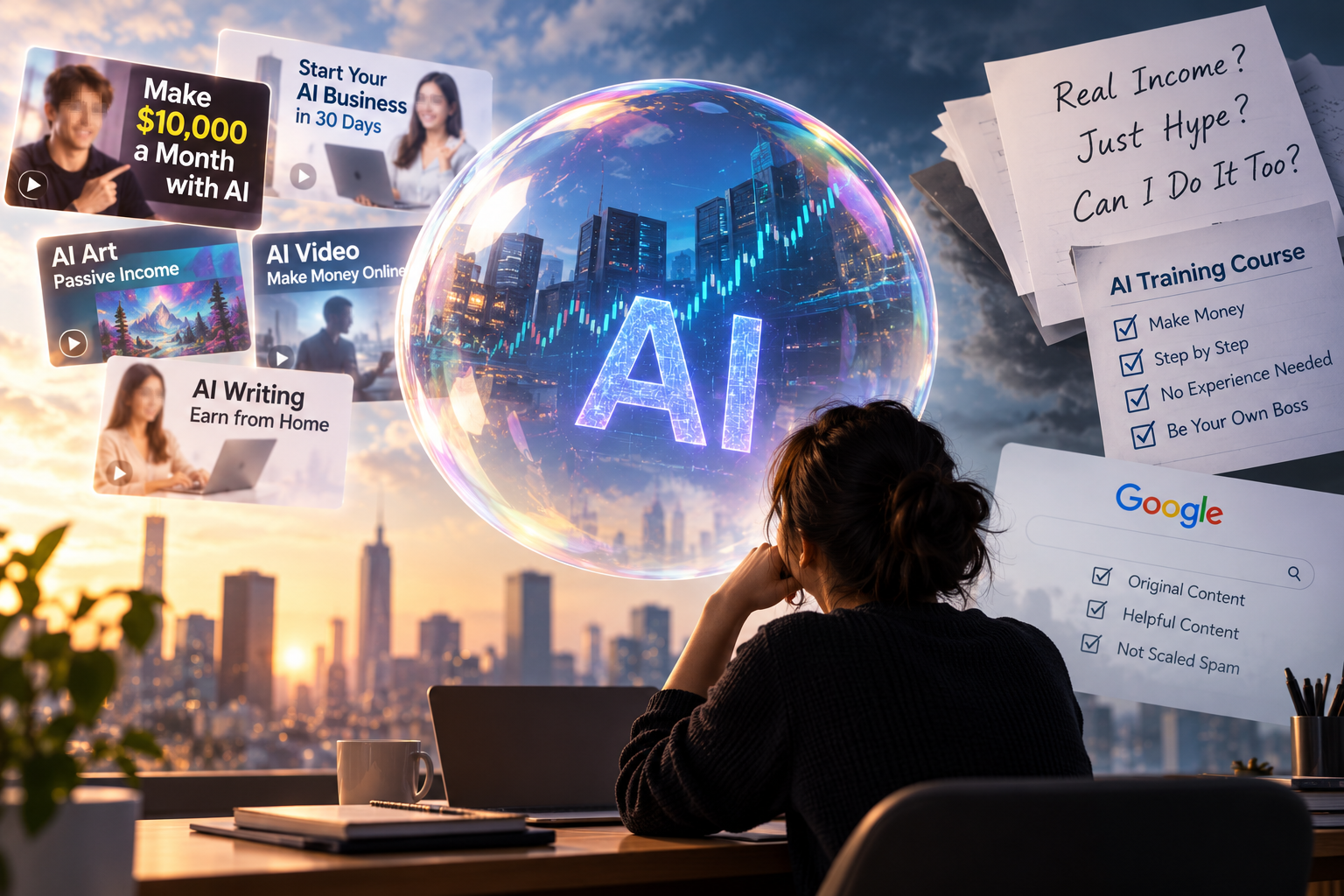
A person stands among iridescent bubbles containing abstract AI networks as one bubble begins to burst, symbolizing the gap between AI’s potential and human expectations

The AI Bubble Is Still a Human Bubble

This week, I listened to an interview with Chinese technology investor Wang Yuquan, who made a prediction designed to attract attention: the AI bubble could burst around 2029. The exact year matters less to me than the reasoning behind it. Wang is not arguing that AI has little value. He is arguing almost the opposite: AI’s long-term potential is so significant that we may be pricing years of social and economic change into the present. ...

Conceptual illustration of artificial intelligence and human values, inspired by Yuval Noah Harari’s AI lecture, showing a person reflecting on creativity, judgment, and the future of humanity.

When AI Becomes More Powerful, What Makes Us Human? — Reflections After Watching Yuval Noah Harari’s Latest AI Lecture

Recently, I watched the latest lecture by Yuval Noah Harari, the author of Sapiens: A Brief History of Humankind, at the University of Oxford, titled “AI Has Hacked the Code of Human Civilization. ” In the lecture, Harari raised a thought-provoking question: as AI begins to enter areas that were once considered uniquely human, how will our role in society change? According to Harari, human civilization is essentially a network built on information and shared stories. Nations, laws, companies, currencies, and religions are all systems that exist because people collectively believe in them. For thousands of years, humans have been the creators, storytellers, and interpreters of these systems. ...

A calm evening scene of a person looking at a city skyline by the river, representing personal reflection on how AI and digital economy are reshaping work and life.

What kind of new system are we actually entering in the era of the digital economy?

The digital economy is being redefined by AI Recently, while following discussions around the Digital Economy conference in Beijing, I had a very strong impression that although the theme is still labeled as “digital economy,” the real focus has quietly shifted toward artificial intelligence. From what I have seen across different public information, whether it is industrial direction, enterprise digital transformation, or talent development systems, AI is being mentioned more and more frequently. The term “digital economy” still exists, but it no longer feels like a simple extension of the internet era. Instead, it feels more like a broader framework that is now carrying AI, data systems, and industrial restructuring together. ...

A quiet desk with a notebook and coffee, reflecting on retirement, crypto, and what the future holds for our generation.

When Pension Funds Start Looking at Crypto, I Find Myself Thinking About Something Else

A few days ago, while going through crypto news, I came across a story about a Japanese corporate pension fund considering allocating around 1% of its assets to cryptocurrencies. At first, I thought it would be another article about Bitcoin adoption. But the more I thought about it, the more I realized that wasn’t what interested me. The question that stayed with me was much simpler: What will retirement look like for our generation? ...

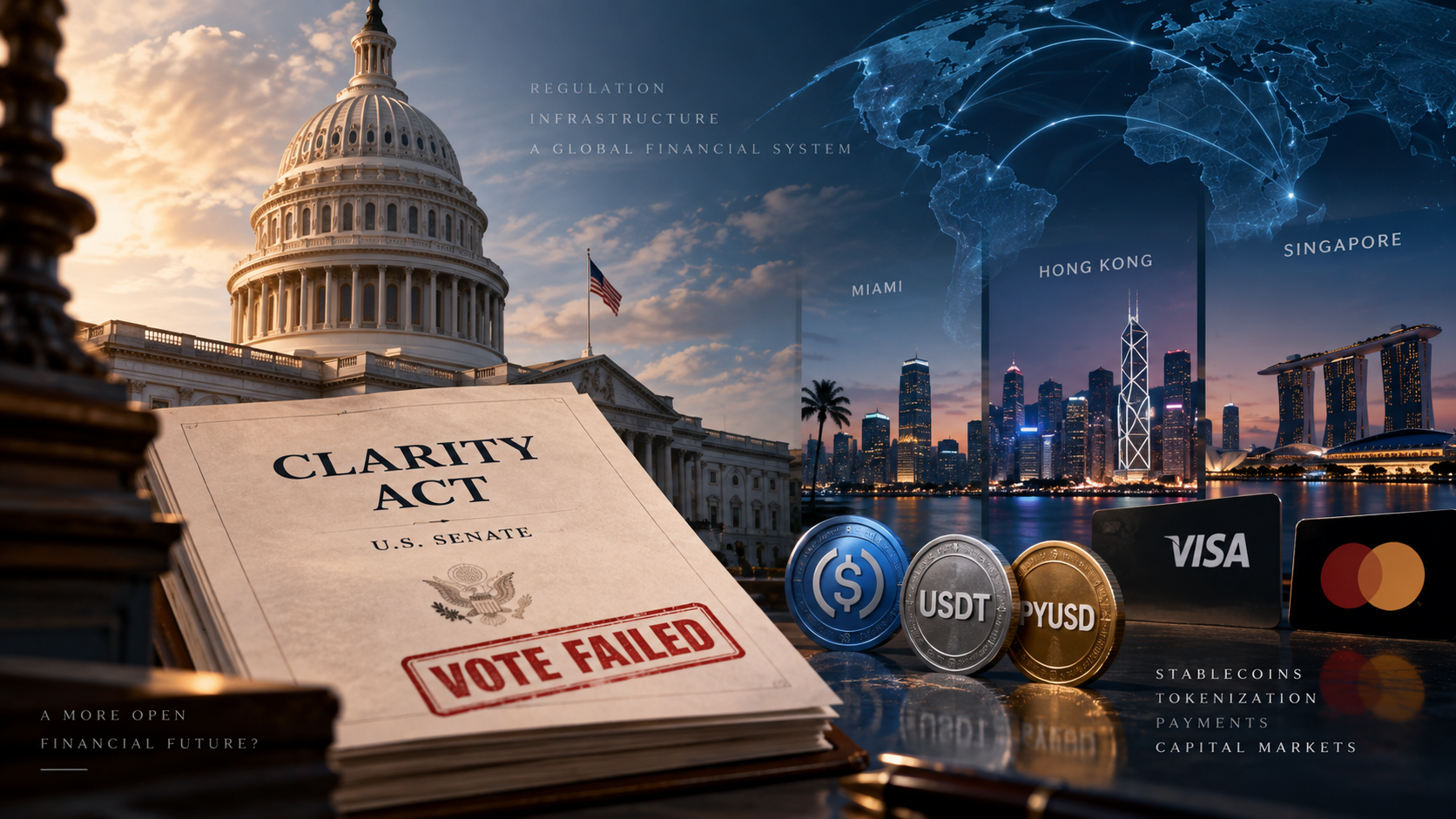
A visual representation of stablecoin regulation across the US, Hong Kong, and Singapore — USDT, USDC, and the GENIUS Act explained for beginners.

From USDT and USDC to the GENIUS Act: Why I Started Paying Attention to Stablecoin Regulation

After spending time learning about USDT and USDC, I thought I had finally figured out the stablecoin story. One is used almost everywhere. The other is often associated with transparency and compliance. That seemed to be the main difference. But it turned out I was only looking at the surface. As I started following more crypto news and industry discussions, I noticed that people were talking less about USDT and USDC themselves and more about something else: regulation. ...

A visual comparison of USDT and USDC stablecoins — understanding the difference between Tether and Circle's digital dollars.

From Thinking All Stablecoins Were the Same to Understanding USDT and USDC

A few months ago, if someone had asked me what the difference was between USDT and USDC, my answer probably would have been: “Aren’t they both stablecoins? What’s the difference?” I think that’s how many beginners see them. Both are designed to stay close to one US dollar. Both can be used for transfers, trading, and storing value. When you first open an exchange account, they look almost identical. But as I spent more time learning about crypto, I slowly realized that people choose USDT and USDC for very different reasons. ...

A desk with a laptop showing a global crypto network, a notebook with handwritten notes about Bitcoin and transfer fees, and a LaceMoods branded mug — the moment a lingerie brand founder started paying attention to crypto.

Why a Lingerie Brand Founder Started Paying Attention to Crypto

I first heard about Bitcoin in 2015, when a friend told me he was mining it. Out of curiosity, I spent some time reading about it, but that was as far as it went. I didn’t buy any, I didn’t follow the market, and I certainly didn’t imagine it would ever become relevant to my life. The first time Bitcoin really caught my attention was in 2021, when it climbed to around $70,000 for the first time. Suddenly, crypto seemed to be everywhere. News outlets were covering it, social media was talking about it, and everyone appeared to have an opinion. ...

Childlike illustration of a girl and a robot looking at a futuristic sky filled with AI, Web3, and crypto symbols, representing curiosity, learning, innovation, and the future of technology on Children's Day.

Happy Children's Day — To AI, Crypto, and Everyone Still Learning to Walk

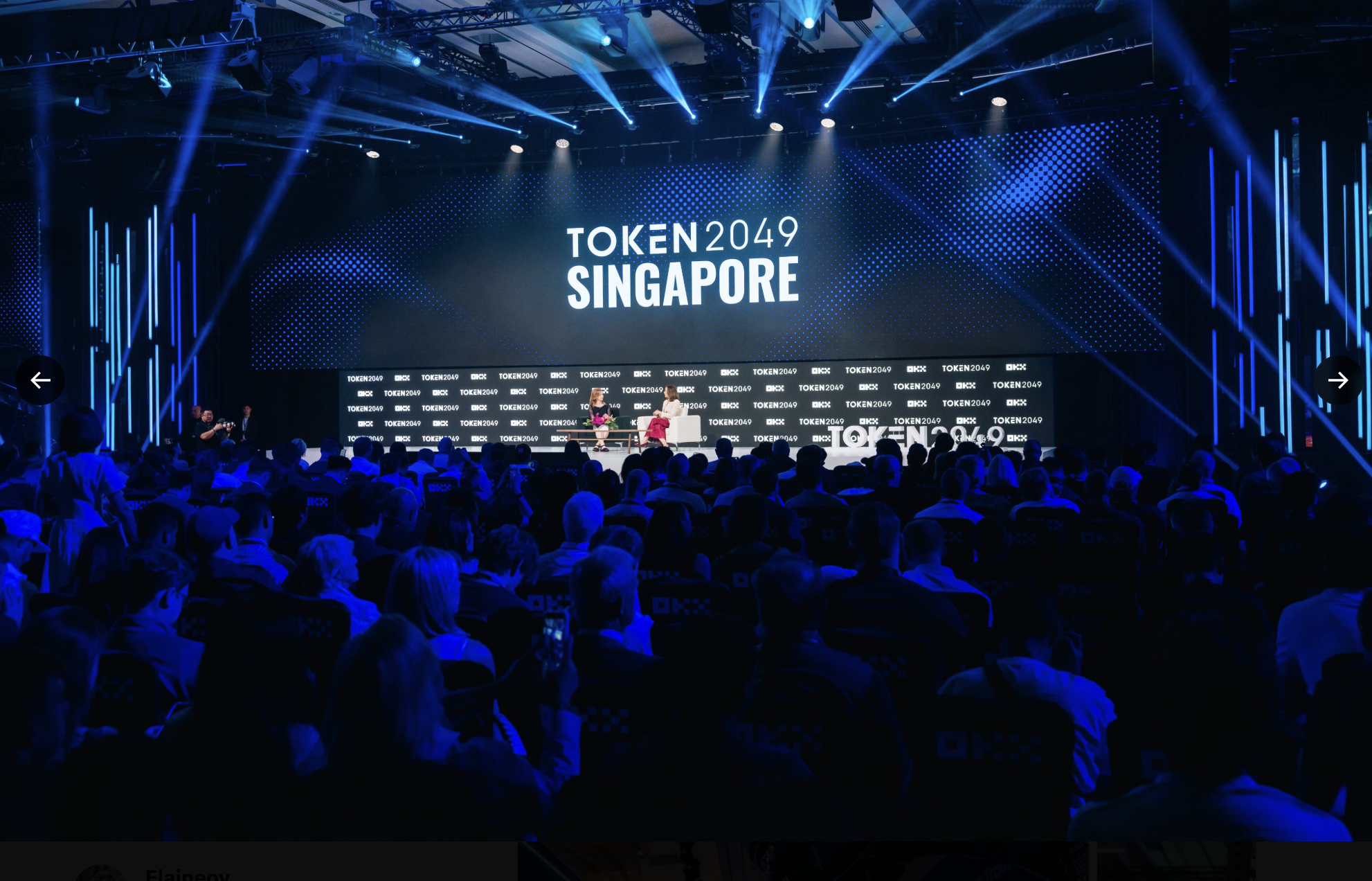
Today is June 1st. Children’s Day. It feels like the right day to talk about things that are young. Not young like a startup. Young like a child — full of potential, not yet sure what they’ll become, occasionally embarrassing, occasionally breathtaking. The children in Miami Just a few weeks ago, 20,000+ people gathered in Miami for Consensus 2026 — founders, executives, policymakers, all there to watch crypto, AI, and traditional finance collide in real time. The theme wasn’t just blockchain anymore. AI agents are becoming participants in global markets — executing trades, managing portfolios, creating entirely new economic models. The conference had a name for it: Agentic Commerce. ...

It's My Birthday

Today is my birthday. The number keeps going up every year, but somehow I still feel like the same girl who had all those big dreams at 18. A little less reckless maybe. But the same girl. Over the years there were failures, disappointments, stretches of time when I felt completely lost and couldn’t see a way forward. There were moments when I genuinely thought I’d stay stuck where I was. ...