
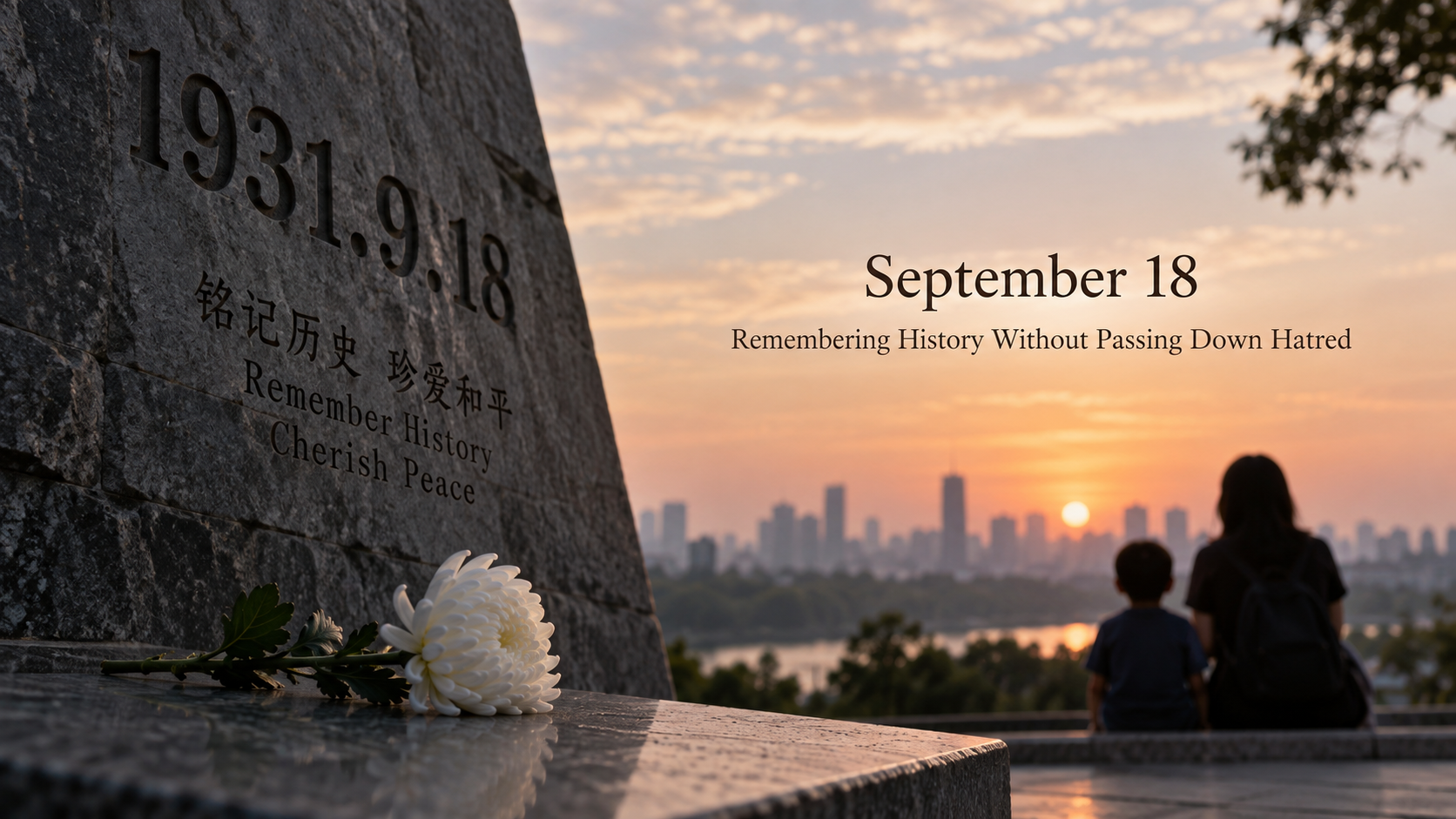
Every year on September 18, when I hear the air-raid sirens outside — three times, three minutes each — I feel a heaviness settle in me. It may look like just another date on the calendar, and life still goes on as usual: we get up, take our children to school, go to work, and deal with all the ordinary things that fill a normal day. But in 2026, it has been 95 years since that night in 1931, and I still believe this is a day we should stop and remember.
For most of us today, that history feels far away. We know it through textbooks, documentaries, museums, old photographs, and stories passed down by older generations, but just because something happened a long time ago does not mean it should slowly disappear from our memory.
On the night of September 18, 1931, the Japanese Kwantung Army blew up part of the South Manchuria Railway near Liutiaohu, outside Shenyang. They blamed Chinese forces and used the incident as an excuse to attack the Beidaying barracks and Shenyang. This was the beginning of what we Chinese call the September 18 Incident. In the following months, most of Liaoning, Jilin, and Heilongjiang fell under Japanese occupation, and later, in Pingfang, Harbin, Unit 731 carried out biological warfare research and human experimentation, using Chinese civilians and prisoners among its victims.
From 1931 until the end of the war in 1945, China went through fourteen years of resistance against Japanese aggression, and September 18 was only the beginning. What followed included the occupation of Northeast China, the spread of war across the country, the Nanjing Massacre in 1937, sexual violence, killings, biological warfare, forced labor, and many other atrocities committed against ordinary Chinese people.
Today, we can summarize all of this in a few paragraphs, but for the people who actually lived through it, this was not a chapter in a history book. It was their life. They lost homes, families were separated, and many people never saw their parents or children again, while others did not live long enough to see peace return.
Sometimes this history feels very far away from me because I have never lived through a war, but at other times it feels surprisingly close. I have been to Nanjing many times, yet there are still places connected to that history that I have never had the courage to properly walk into, including Yuhuatai and the Memorial Hall of the Victims in Nanjing Massacre by Japanese Invaders. It is not because I do not want to face history; I am simply not sure whether I could stay calm enough when looking at those names, photographs, and stories.
From the distance of nearly a century, we may look at an old photo and see a stranger, but that person once had parents, children, someone they loved, and plans for the future just like we do today. War came into their life and took all of that away.
I still remember when City of Life and Death first came out. I went to watch it with an older schoolmate, and when the movie ended, I could not pull myself out of that feeling for a long time. I had left the cinema, but emotionally I still felt trapped inside the film, carrying a kind of sadness and helplessness that was almost physical.
The scenes of women being sexually assaulted were especially difficult for me to watch, and even now I sometimes think about what those women must have felt in real life. If you were an ordinary woman standing in front of armed soldiers, would you have been terrified, desperate, humiliated, or would there have been no room to think about any of that because all you wanted was to survive and keep your family alive?
When we talk about war today, we use large words such as invasion, massacre, occupation, and casualties, but behind every one of those words were real people. Sometimes I ask myself what I would have done if I had lived at that time, and the truth is that I do not know. It is easy for us to sit somewhere safe today and imagine that we would have fought back, protected our families, or acted bravely, but when your own life, your parents, your child, and your dignity are all under threat at the same time, I do not think any of us can really know how we would react.
Years later, I visited Tengchong, and that gave me another way to understand this part of history. The National Memorial Cemetery there was built in memory of the Chinese Expeditionary Force soldiers who died during the battle to retake Tengchong, as well as civilians who lost their lives. Nearby, the Western Yunnan War of Resistance Memorial Museum preserves photographs, objects, and records from that period, and when you actually stand there, history suddenly stops feeling like numbers in a book.
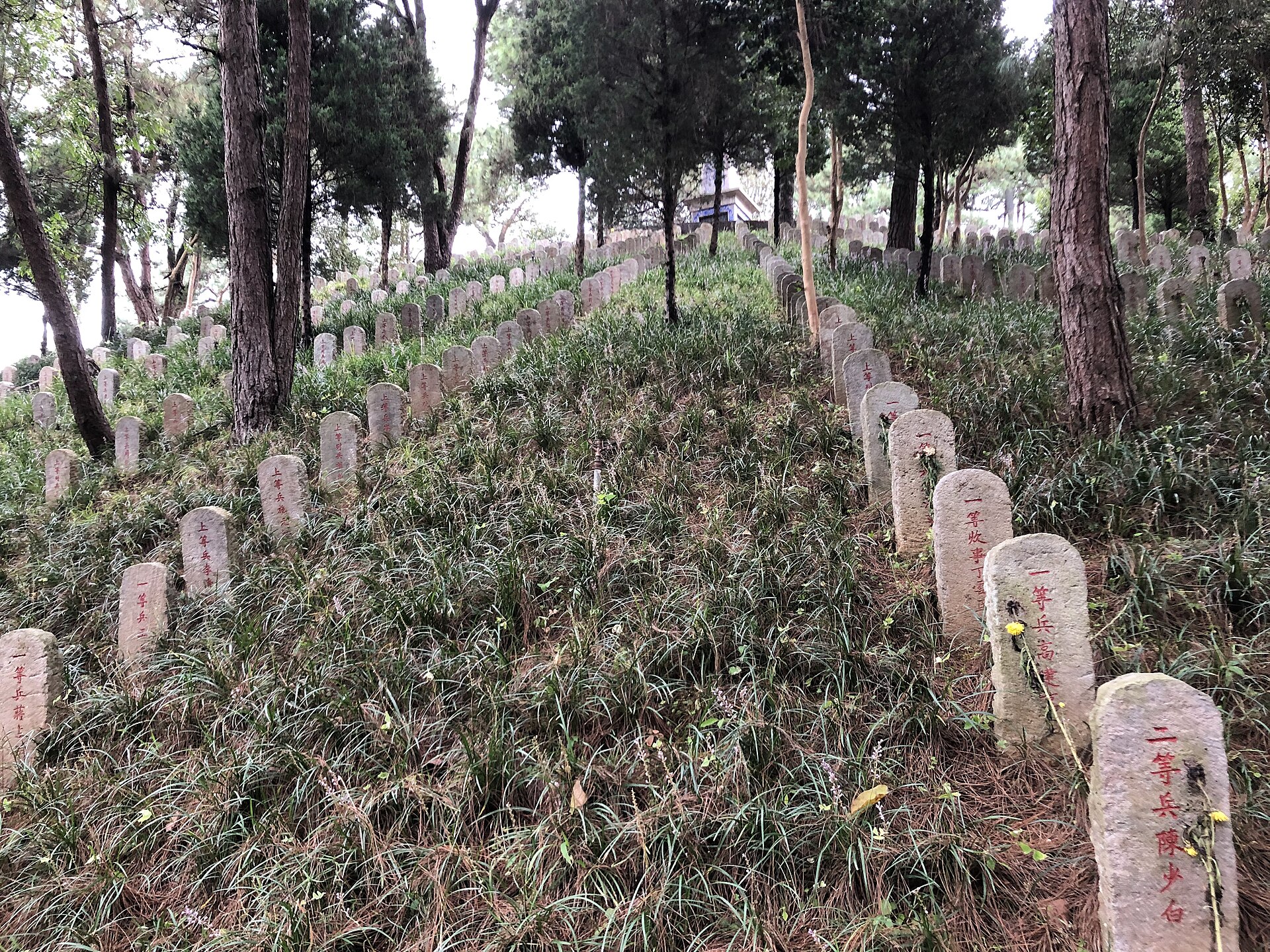
Behind the memorial hall, gravestones cover the hillside. Some have names and some have very little information left, and I remember looking at them and wondering how young some of those soldiers must have been, whether their parents were still waiting for them at home, and whether some families ever really knew what had happened to their sons.
That hillside has stayed in my memory for years. I did not feel like saying anything dramatic while I was there; I just felt heavy, and I naturally started walking more quietly. Perhaps because I have been to places like that and seen those things for myself, I have actually become less willing to face the same history through film.
Last year, when Dead to Rights and a film about Unit 731 were released, I did not go to the cinema. Austin asked me more than once whether we could watch them together, but he was only six at the time, and I said no. Part of the reason was that I did not think a six-year-old child was ready for images of war, killing, sexual violence, and human experimentation. I absolutely want him to know this history, but I do not believe that knowing history means a child has to see its most brutal images before he is ready.
The other reason was more personal: I was not sure I was ready either. I did not know whether I could sit through those scenes again and, at the same time, stay calm enough to take care of his emotions, answer his questions, and help him understand what he was seeing. At that moment, I realized that maybe my own heart was not yet strong enough to protect both of us at the same time.
But that does not mean I avoid talking to him about history. Since Austin was four, I have told him about September 18 every year. Of course, when he was four, he could not fully understand words like invasion, war, or nation, but I do not think we need to wait until children are much older and then suddenly hand them all of this history at once. We can tell them little by little, in a way they can understand at each age, so they gradually learn why certain dates matter.
At the same time, I would never stop Austin from watching Japanese animation, enjoying Japanese culture, or liking a Japanese character simply because of this history. To me, teaching a child what happened in the past does not mean teaching him to reject everything connected to Japan today. He can enjoy an anime, love a character, listen to Japanese music, and maybe one day travel around Japan himself without that meaning he has forgotten history.
What I really want him to learn is how to separate history, politics, culture, and ordinary people. I do not want the word “Japan” to become one single emotion in his mind. I want him to know what happened and remember it, but I also want him to grow up with enough judgment to look at people and the world as they are today.
One day, when he is older and better able to understand what war, death, and history really mean, I hope I can take him to some of these places myself. Maybe Nanjing, maybe Tengchong. We can look at the photographs, read the names, and stand in front of those graves together, and I hope I can tell him that I brought him there not to teach him who to hate, but to help him understand why peace matters.
That is also why, to me, remembering September 18 has never simply meant repeating the phrase “never forget national humiliation,” and it definitely does not mean turning what happened almost a century ago into hatred toward every Japanese person alive today. History should be remembered, what happened should not be denied, softened, or slowly forgotten, and our children should know what their country went through. But people living today are still individuals, and I do not think someone should automatically be treated as responsible for something another generation did before they were even born.
This is not just something I say because it sounds reasonable. In 2018, I spent ten days in Japan, and that trip changed quite a few things I thought I knew about the country. If I put history and politics aside for a moment and simply talk about the everyday life I saw there, there were honestly many things that impressed me and many things I thought we could learn from.
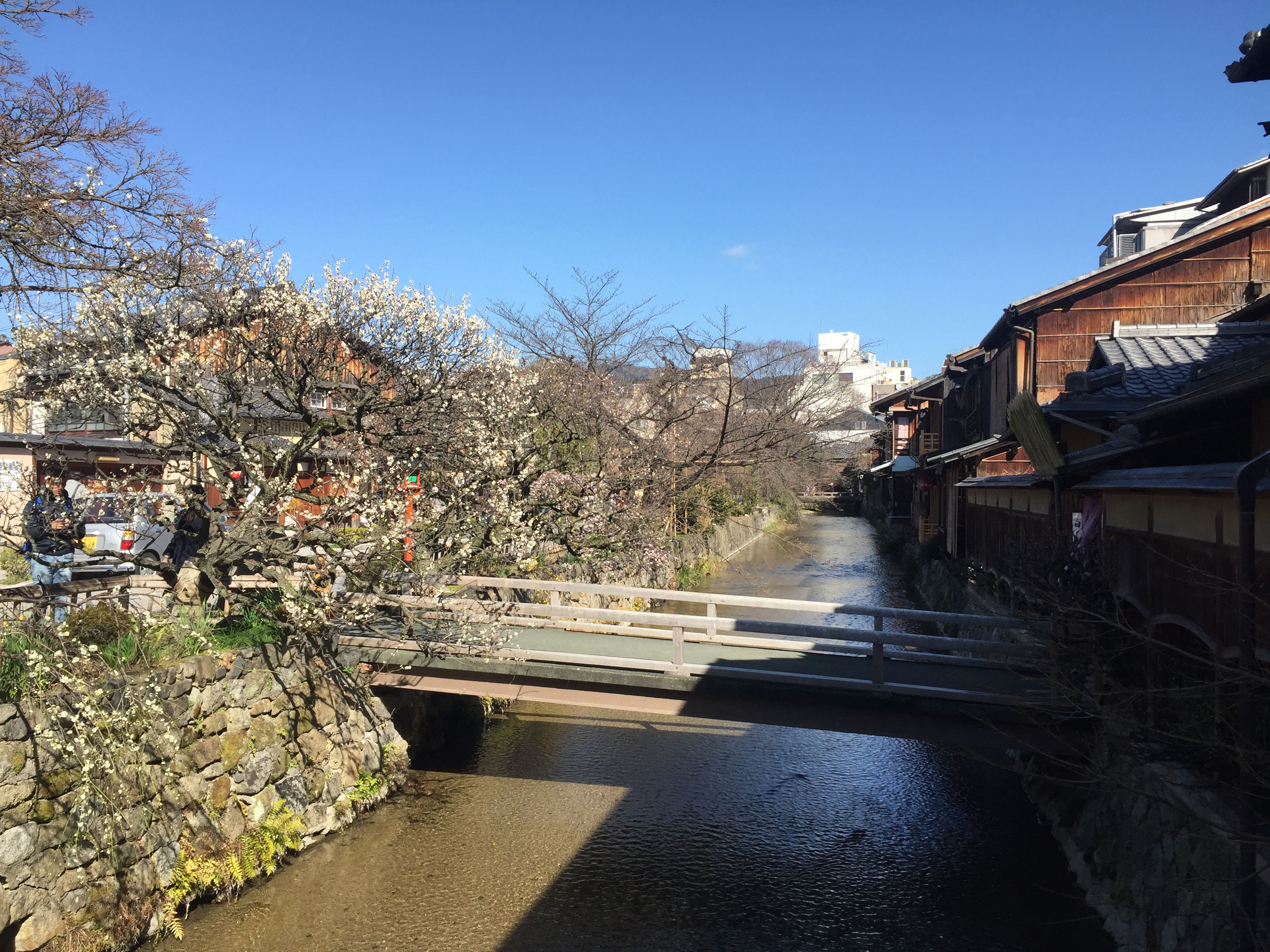
One of the first things I noticed was how clean the streets were. There often were not many public trash bins around, yet people seemed used to taking their rubbish home with them instead of leaving it somewhere. When a shop was being renovated, I saw workers put coverings down on the pavement so construction dust and debris would not make the sidewalk dirty, and even when a garbage truck drove past, there was not that strong unpleasant smell I expected.
I also remember walking past a small shop selling bamboo strips and bamboo materials. The owner had organized everything so neatly that different sizes and different kinds of materials all had their own place. There was another little shop run by an elderly couple who looked to be in their eighties. It was not fancy or modern, but it was incredibly clean and well kept, and it did not feel like something they were doing for visitors. It simply felt like this was how they lived.
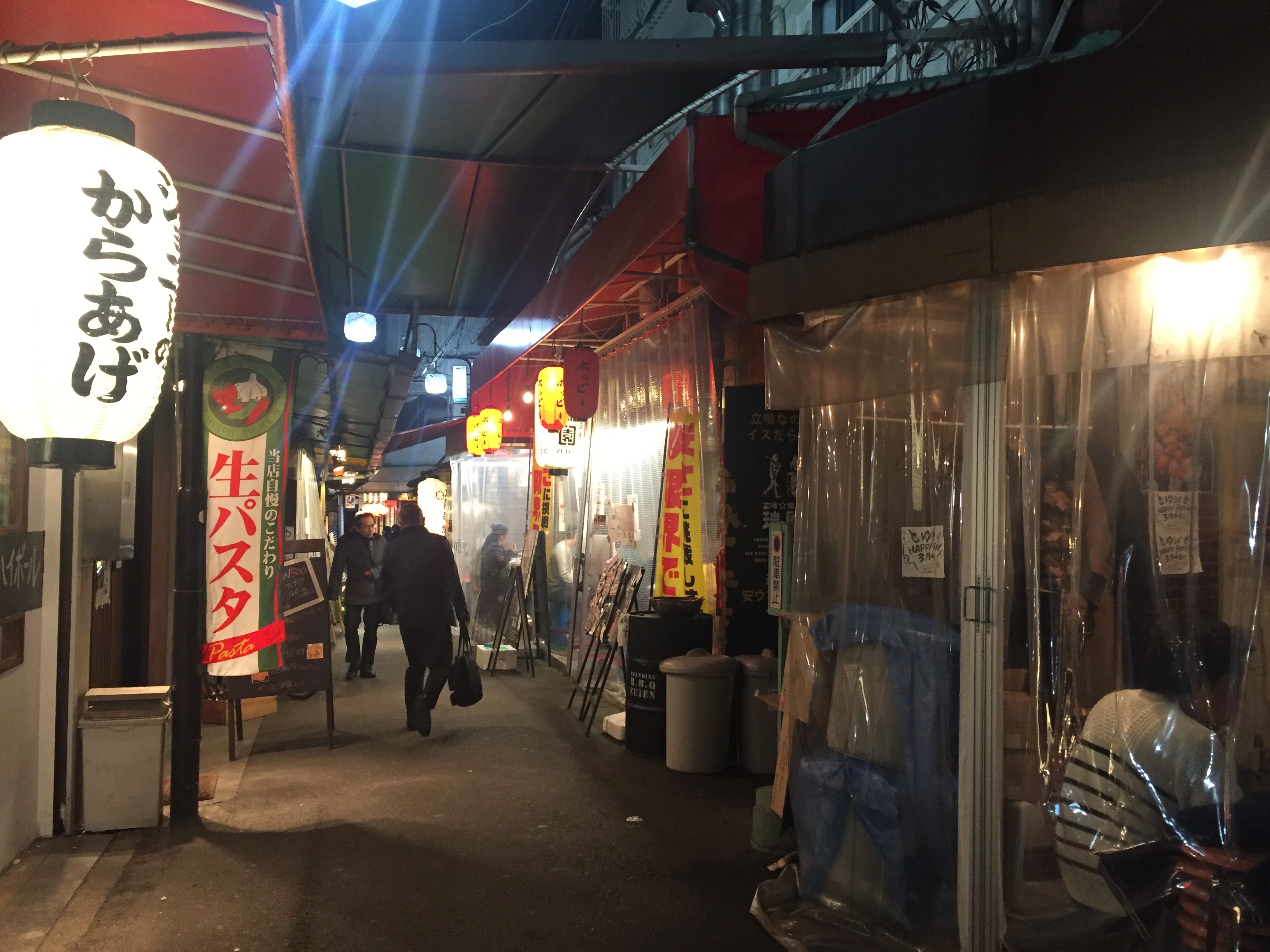
Those ten days made me realize something very simple: remembering what Japan did to China in the past does not mean I have to pretend there is nothing worth learning from Japan today. I can know what happened in 1931, feel deep sorrow for the victims of the Nanjing Massacre, Unit 731, and countless other atrocities, and still say that there are things in Japanese society today that are done very well.
I do not think these ideas contradict each other. Seeing someone else’s strengths does not rewrite history, and remembering history should not stop us from looking around the world and asking what we ourselves could do better. To me, real confidence means being able to do both: knowing where you come from without believing everything about your own country is perfect, and admitting that someone else may do something better without feeling that you have somehow betrayed your own history.
History cannot be changed, but we still get to decide what we carry forward from it. If all we pass down is hatred, then another kind of wound continues into the next generation, but if we decide to forget everything, then the lives and sacrifices behind that history slowly turn into nothing more than dates in a textbook.
I do not want either of those things for Austin. I want him to remember what happened, to understand that the peaceful life he has now did not simply appear out of nowhere, and to respect the people who lived through a time much harder than ours. At the same time, I want him to keep looking at the world with curiosity, learning from people who do something better than we do wherever they come from, and being able to appreciate another culture without losing his own memory.
That is why I wanted to write this today. September 18, 2026 is still a normal Friday in many ways: we have work to finish, children to take care of, bills to pay, and plans for the future. But I do not want it to become completely ordinary.
At least once today, I want to stop and remember what happened 95 years ago, and I want my child to remember too — not so that he grows up carrying hatred, but so that he understands where we came from, why peace matters, and why moving forward should never require us to forget the past.