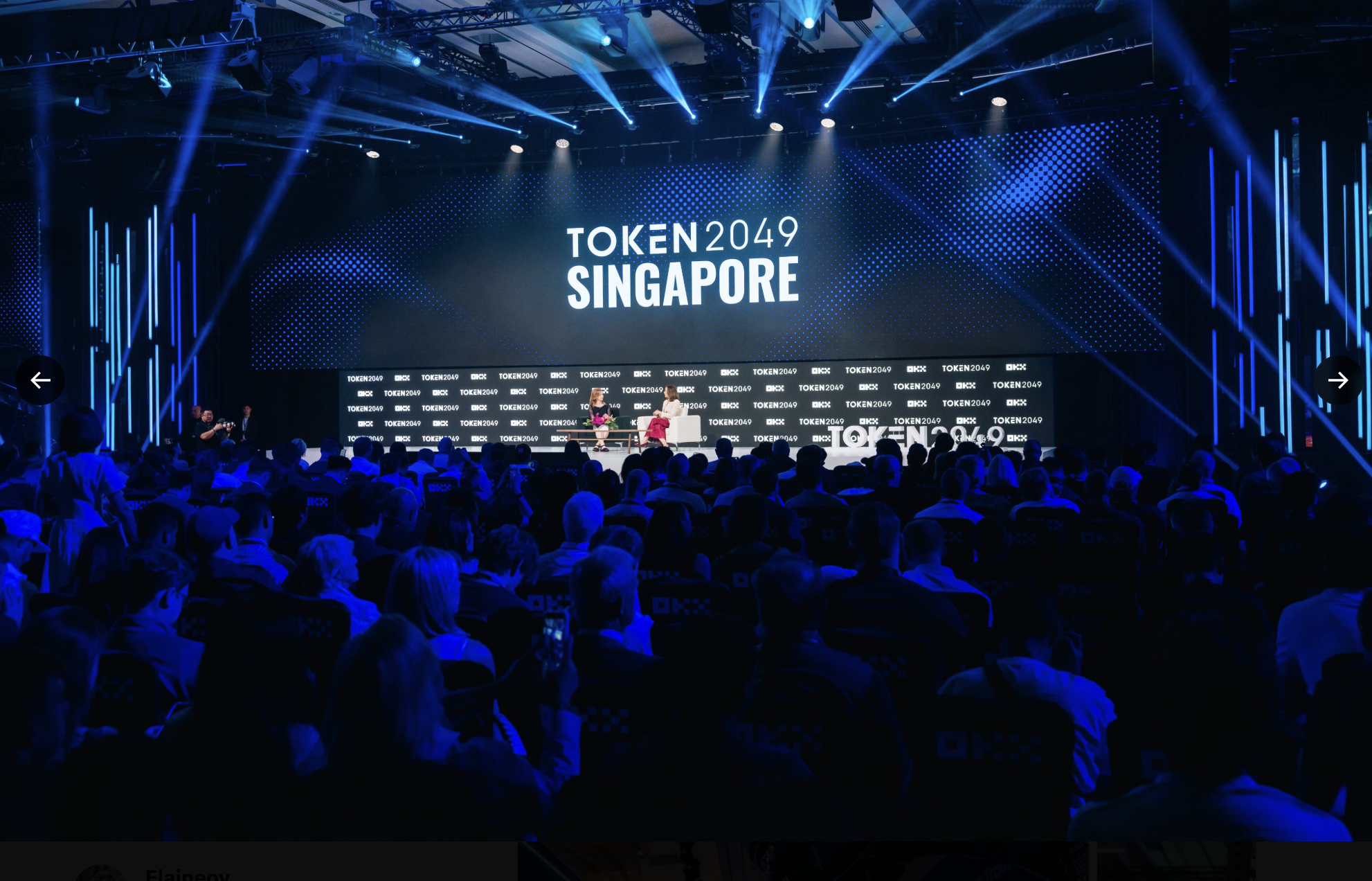
TOKEN2049 Singapore 2026 main stage during the conference at Marina Bay Sands

After TOKEN2049: Crypto Is Starting to Look Less Like an Industry—and More Like Infrastructure

Two days before TOKEN2049 Singapore began, I wrote down a few questions I wanted the conference to answer. I was less interested in what Bitcoin might do after a keynote, or which project might become the next short-lived narrative, and more interested in whether stablecoins were becoming part of financial infrastructure, whether AI agents would actually need crypto, and whether traditional finance was entering crypto — or finance itself was beginning to move onchain. ...

TOKEN2049 Singapore 2026 at Marina Bay Sands ahead of discussions on crypto, stablecoins, AI and the future of finance

TOKEN2049 Is No Longer Just About Crypto. What Comes Next for Finance?

Over the past year, I have followed several major crypto conferences, from Miami to Bitcoin Asia in Hong Kong, and now TOKEN2049 Singapore. What interests me most has gradually changed. At first, crypto conferences were easy to understand. We watched Bitcoin, regulation, exchanges, new chains, market cycles and, inevitably, price. But the conversations around these events have started to feel broader. AI keeps appearing. Stablecoins are moving deeper into payments. Traditional financial institutions are no longer simply asking whether they should participate in crypto. Increasingly, they are discussing what parts of finance might eventually move onchain. ...

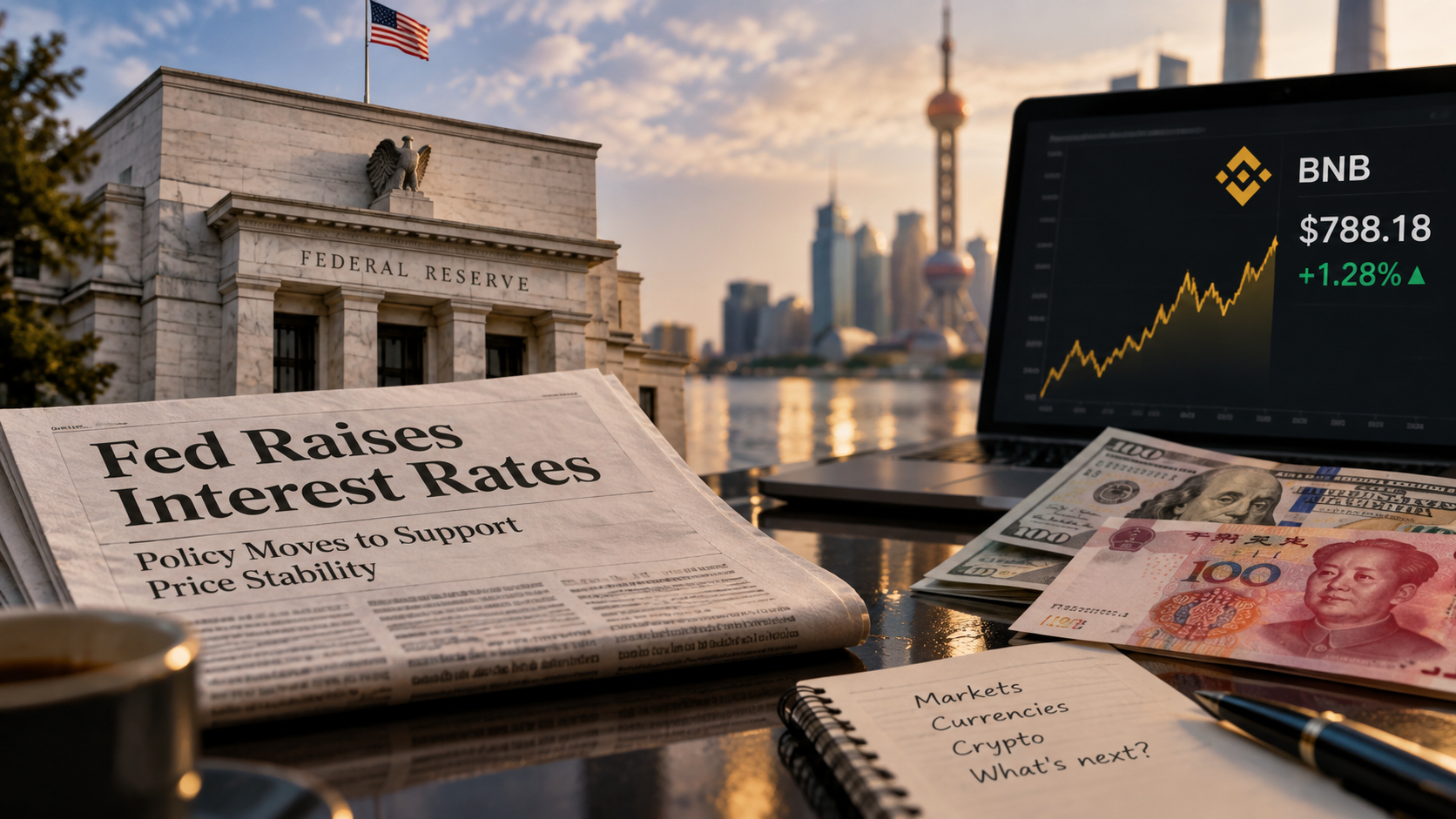
Federal Reserve rate hike, US dollar and RMB banknotes, and a rising BNB price chart illustrating market reactions in September 2026.

The Fed Raised Rates. So Why Did the RMB Strengthen and Crypto Rise?

Today I saw a Reuters report saying that the RMB had strengthened to a more than three-and-a-half-year high against the U.S. dollar, just days after the Fed raised rates . My first reaction was a small sense of disappointment. For people who work in international trade and often receive payments in U.S. dollars, a slightly stronger dollar against the RMB is usually welcome news. When the Fed announced another rate increase, I had expected the exchange rate to move up at least a little. Instead, the market went almost the other way. ...

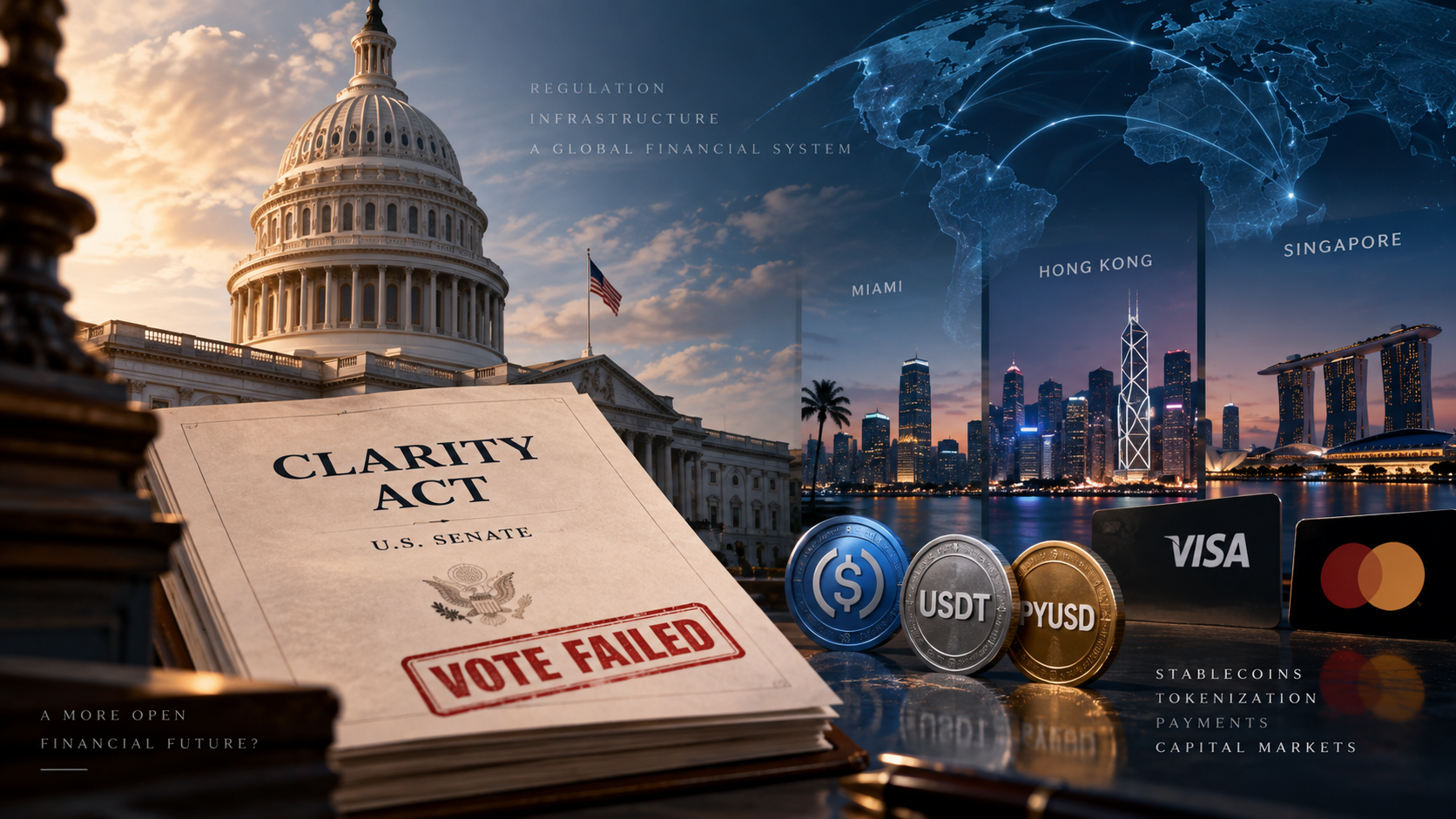
Editorial illustration of the CLARITY Act, U.S. Capitol, stablecoins and global financial centers representing crypto’s move into financial infrastructure.

Crypto Is Becoming Financial Infrastructure: Why the World Was Watching the CLARITY Act

Ahead of the September 15 vote, Senator Cynthia Lummis posted a blunt message on X. After months of negotiations, she argued that the latest version of the CLARITY Act had already incorporated many Democratic requests and that it was time to stop negotiating and vote. The revised text did include 126 substantive changes sought by Democrats, including tighter restrictions related to public officials and crypto conflicts of interest, according to Reuters’ reporting on the final draft of the bill . Even so, disputes over ethics, banking and financial stability remained unresolved going into the vote. ...

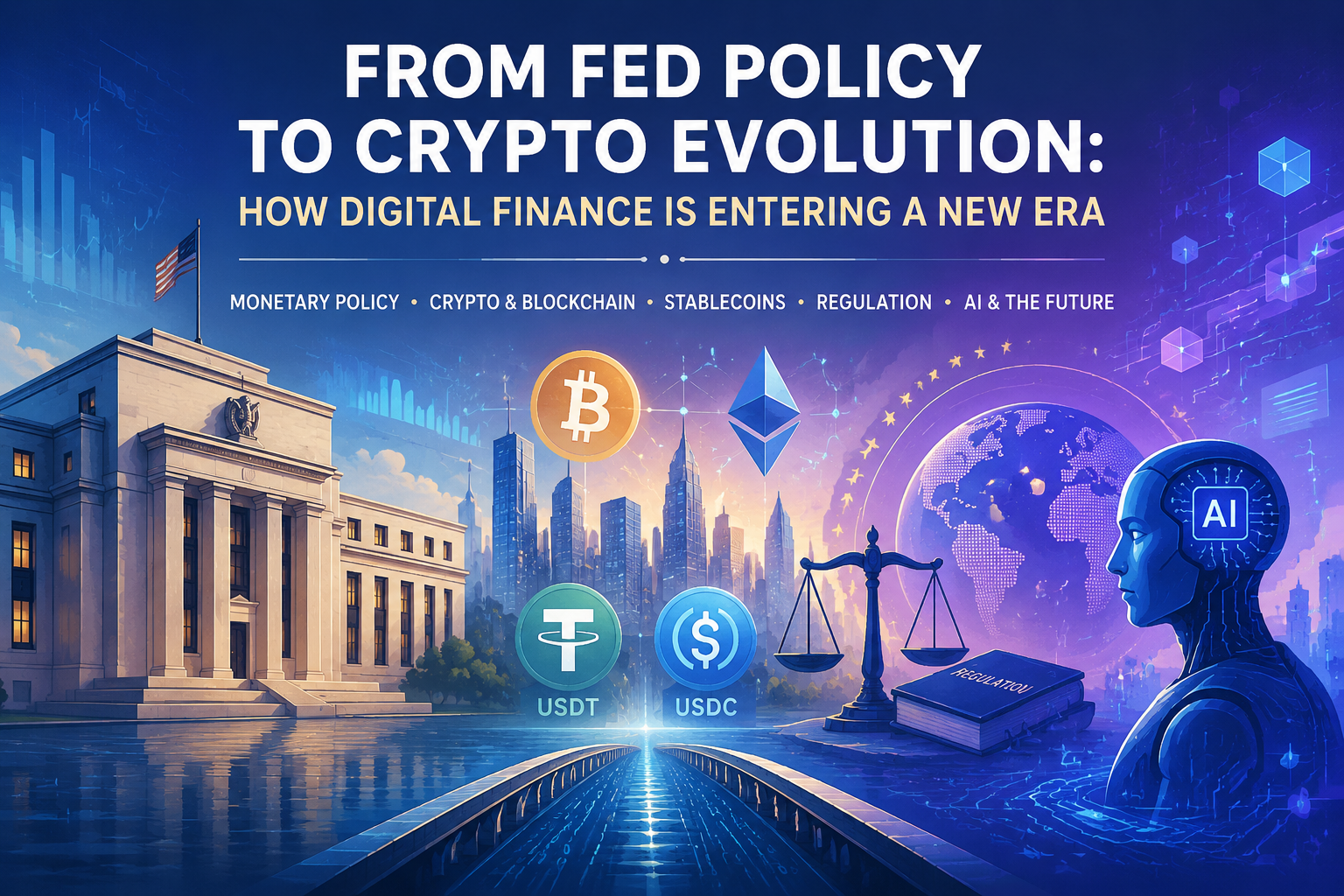
Illustration showing the evolution of digital finance from Federal Reserve policy and crypto markets to stablecoins, regulation, and AI-powered blockchain technology

From Fed Policy to Crypto Evolution: How Digital Finance Is Entering a New Era

Over the past few years, the crypto industry has undergone a significant transformation. In its early stages, crypto markets were largely driven by Bitcoin’s price movements and investment demand. Many users entered the market primarily because they saw digital assets as a new form of investment opportunity. However, as blockchain technology has continued to develop, the focus of the industry has gradually shifted from individual asset prices toward broader digital asset ecosystems. ...

A calm evening scene of a person looking at a city skyline by the river, representing personal reflection on how AI and digital economy are reshaping work and life.

What kind of new system are we actually entering in the era of the digital economy?

The digital economy is being redefined by AI Recently, while following discussions around the Digital Economy conference in Beijing, I had a very strong impression that although the theme is still labeled as “digital economy,” the real focus has quietly shifted toward artificial intelligence. From what I have seen across different public information, whether it is industrial direction, enterprise digital transformation, or talent development systems, AI is being mentioned more and more frequently. The term “digital economy” still exists, but it no longer feels like a simple extension of the internet era. Instead, it feels more like a broader framework that is now carrying AI, data systems, and industrial restructuring together. ...

A quiet desk with a notebook and coffee, reflecting on retirement, crypto, and what the future holds for our generation.

When Pension Funds Start Looking at Crypto, I Find Myself Thinking About Something Else

A few days ago, while going through crypto news, I came across a story about a Japanese corporate pension fund considering allocating around 1% of its assets to cryptocurrencies. At first, I thought it would be another article about Bitcoin adoption. But the more I thought about it, the more I realized that wasn’t what interested me. The question that stayed with me was much simpler: What will retirement look like for our generation? ...

A visual representation of stablecoin regulation across the US, Hong Kong, and Singapore — USDT, USDC, and the GENIUS Act explained for beginners.

From USDT and USDC to the GENIUS Act: Why I Started Paying Attention to Stablecoin Regulation

After spending time learning about USDT and USDC, I thought I had finally figured out the stablecoin story. One is used almost everywhere. The other is often associated with transparency and compliance. That seemed to be the main difference. But it turned out I was only looking at the surface. As I started following more crypto news and industry discussions, I noticed that people were talking less about USDT and USDC themselves and more about something else: regulation. ...

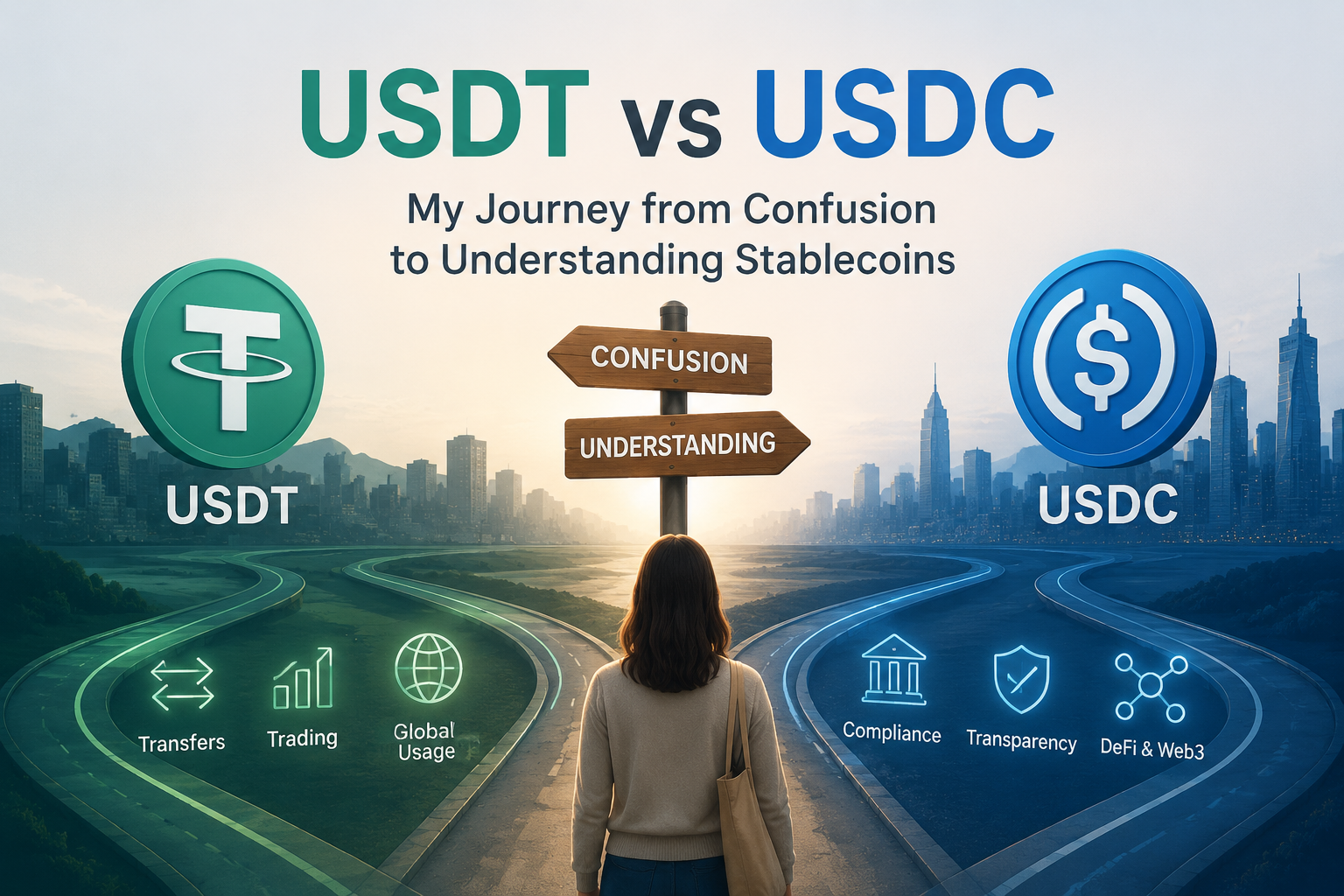
A visual comparison of USDT and USDC stablecoins — understanding the difference between Tether and Circle's digital dollars.

From Thinking All Stablecoins Were the Same to Understanding USDT and USDC

A few months ago, if someone had asked me what the difference was between USDT and USDC, my answer probably would have been: “Aren’t they both stablecoins? What’s the difference?” I think that’s how many beginners see them. Both are designed to stay close to one US dollar. Both can be used for transfers, trading, and storing value. When you first open an exchange account, they look almost identical. But as I spent more time learning about crypto, I slowly realized that people choose USDT and USDC for very different reasons. ...

A desk with a laptop showing a global crypto network, a notebook with handwritten notes about Bitcoin and transfer fees, and a LaceMoods branded mug — the moment a lingerie brand founder started paying attention to crypto.

Why a Lingerie Brand Founder Started Paying Attention to Crypto

I first heard about Bitcoin in 2015, when a friend told me he was mining it. Out of curiosity, I spent some time reading about it, but that was as far as it went. I didn’t buy any, I didn’t follow the market, and I certainly didn’t imagine it would ever become relevant to my life. The first time Bitcoin really caught my attention was in 2021, when it climbed to around $70,000 for the first time. Suddenly, crypto seemed to be everywhere. News outlets were covering it, social media was talking about it, and everyone appeared to have an opinion. ...